Sleep Therapy in Portland
Do you want better sleep
in just 6 sessions?
Do you want
better sleep
in just 6 sessions?

Outcomes
What you'll get

Better Sleep
Fall asleep faster, stay asleep longer and wake up feeling more rested.

Increased Focus
Improve concentration, attention and daytime performance as your sleep stabilizes.

More Energy
Feel more alert and capable throughout the day with consistent, high‑quality sleep.
Features
Features
How it's done

Structured program
A structured, evidence‑based approach that leads to
better sleep.

Evidence-based skills
Skills and strategies drawn from established best sleep practices

Flexible scheduling
In-person and telehealh options. Some weekend and evening availability
Features
Features
What you'll get
Better Sleep
Fall asleep faster, stay asleep longer and wake up feeling more rested.
Increased Focus
Improve concentration, attention and daytime performance as your sleep stabilizes.
More Energy
Feel more alert and capable throughout the day with consistent, high‑quality sleep.
Services
Services
Specialized therapy
services for you



Great News
Most insurance plans cover your sleep disorder treatment








Great News
Great News
Covered by
insurance plans
FAQ
FAQ
FAQ
Have any questions?
What is Cognitive Behavioral Therapy for Insomnia?
I use Cognitive Behavioral Therapy for Insomnia (CBT‑I), the leading evidence‑based treatment for improving sleep. CBT‑I is a structured, short‑term method that helps you change the behaviors and thought patterns that keep insomnia going. Each session focuses on practical sleep skills—not open‑ended talk therapy. You’ll learn how to adjust your sleep schedule, reduce nighttime wakefulness, and build routines that support long‑term, consistent sleep.
What is the evidence for Cognitive Behavioral Therapy for Insomnia?
CBT‑I is widely recognized as the first‑line treatment for insomnia and is supported by extensive clinical research. A 2025 overview of 67 randomized trials found that CBT‑I produced moderate to large improvements in insomnia severity, sleep efficiency and sleep onset latency, with high patient acceptability. Additional research overviews show that CBT‑I consistently improves sleep quality across diverse patient groups and is strongly supported by clinical guidelines internationally. Research also demonstrates that these benefits are long‑lasting: a research overview of long‑term outcomes found meaningful improvements maintained at 3, 6, and 12 months after treatment. Because of this strong evidence base, U.S. and international guidelines recommend CBT‑I as the preferred treatment for chronic insomnia.
What if I have had insomnia for years?
CBT‑I is effective for both moderate and severe insomnia. If your sleep has been difficult for a long time, or you’re sleeping only a few hours a night, we still use the same structured approach—just at a pace that feels manageable. Severe insomnia often responds especially well to the key components of CBT‑I, including sleep scheduling, stimulus control and reducing nighttime wakefulness.
Do you prescribe medication?
No. I don’t prescribe medication. My role is to provide structured, non‑medical treatment.
How do I get in contact with you?
You can self-schedule a 15 minute video consult by clicking on the button in the navigation bar.
What is Cognitive Behavioral Therapy for Insomnia?
I use Cognitive Behavioral Therapy for Insomnia (CBT‑I), the leading evidence‑based treatment for improving sleep. CBT‑I is a structured, short‑term method that helps you change the behaviors and thought patterns that keep insomnia going. Each session focuses on practical sleep skills—not open‑ended talk therapy. You’ll learn how to adjust your sleep schedule, reduce nighttime wakefulness, and build routines that support long‑term, consistent sleep.
What is the evidence for Cognitive Behavioral Therapy for Insomnia?
CBT‑I is widely recognized as the first‑line treatment for insomnia and is supported by extensive clinical research. A 2025 overview of 67 randomized trials found that CBT‑I produced moderate to large improvements in insomnia severity, sleep efficiency and sleep onset latency, with high patient acceptability. Additional research overviews show that CBT‑I consistently improves sleep quality across diverse patient groups and is strongly supported by clinical guidelines internationally. Research also demonstrates that these benefits are long‑lasting: a research overview of long‑term outcomes found meaningful improvements maintained at 3, 6, and 12 months after treatment. Because of this strong evidence base, U.S. and international guidelines recommend CBT‑I as the preferred treatment for chronic insomnia.
What if I have had insomnia for years?
CBT‑I is effective for both moderate and severe insomnia. If your sleep has been difficult for a long time, or you’re sleeping only a few hours a night, we still use the same structured approach—just at a pace that feels manageable. Severe insomnia often responds especially well to the key components of CBT‑I, including sleep scheduling, stimulus control and reducing nighttime wakefulness.
Do you prescribe medication?
No. I don’t prescribe medication. My role is to provide structured, non‑medical treatment.
How do I get in contact with you?
You can self-schedule a 15 minute video consult by clicking on the button in the navigation bar.
What is Cognitive Behavioral Therapy for Insomnia?
I use Cognitive Behavioral Therapy for Insomnia (CBT‑I), the leading evidence‑based treatment for improving sleep. CBT‑I is a structured, short‑term method that helps you change the behaviors and thought patterns that keep insomnia going. Each session focuses on practical sleep skills—not open‑ended talk therapy. You’ll learn how to adjust your sleep schedule, reduce nighttime wakefulness, and build routines that support long‑term, consistent sleep.
What is the evidence for Cognitive Behavioral Therapy for Insomnia?
CBT‑I is widely recognized as the first‑line treatment for insomnia and is supported by extensive clinical research. A 2025 overview of 67 randomized trials found that CBT‑I produced moderate to large improvements in insomnia severity, sleep efficiency and sleep onset latency, with high patient acceptability. Additional research overviews show that CBT‑I consistently improves sleep quality across diverse patient groups and is strongly supported by clinical guidelines internationally. Research also demonstrates that these benefits are long‑lasting: a research overview of long‑term outcomes found meaningful improvements maintained at 3, 6, and 12 months after treatment. Because of this strong evidence base, U.S. and international guidelines recommend CBT‑I as the preferred treatment for chronic insomnia.
What if I have had insomnia for years?
CBT‑I is effective for both moderate and severe insomnia. If your sleep has been difficult for a long time, or you’re sleeping only a few hours a night, we still use the same structured approach—just at a pace that feels manageable. Severe insomnia often responds especially well to the key components of CBT‑I, including sleep scheduling, stimulus control and reducing nighttime wakefulness.
Do you prescribe medication?
No. I don’t prescribe medication. My role is to provide structured, non‑medical treatment.
How do I get in contact with you?
You can self-schedule a 15 minute video consult by clicking on the button in the navigation bar.
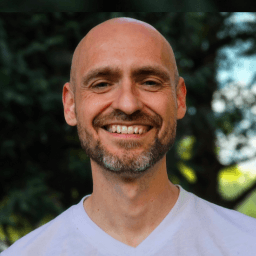
Hi, I am Christopher 👋
Hi, I am Topher
I am a CSWA (Clinical Social Work Associate) who specializes in structured, non‑exploratory treatment for insomnia. My practice is built around an evidence‑based CBT‑I approach that emphasizes sleep scheduling, behavioral change, and long‑term sleep stability.
I use a clear, step‑by‑step treatment process designed to help clients reset their sleep patterns, reduce nighttime wakefulness, and build routines that support consistent, high‑quality sleep.
My work focuses on practical sleep skills, daily sleep‑tracking, and targeted interventions that address the behaviors and thought patterns that keep insomnia going.
I do not provide insight‑oriented or exploratory therapy. Instead, I offer a focused, predictable program specifically for people who want an effective, evidence‑based approach to improving their sleep.
I am a CSWA who specializes in structured, evidence‑based treatment for insomnia. I use Cognitive Behavioral Therapy for Insomnia (CBT‑I) to help clients reset their sleep patterns and build consistent, restorative sleep.
My approach is practical and skills‑focused—not exploratory therapy. Each session follows a clear process designed for people who want an effective, step‑by‑step method for improving their sleep.
Start your journey
Solve your sleep issues with a
structured, evidence-based program
Start your journey
Solve your sleep issues with a
structured, evidence-based program
Start your journey